Jan 22, 2026
undefined
min read

Key Takeaways
Discover the leading corporate donors shaping nonprofit funding in 2026 and learn how to strategically position your organization for maximum impact and resources this year.
• Corporate giving is now a strategic partnership, with companies like Boeing and Microsoft driving a 20% annual rise through employee engagement programs such as matching gifts and volunteer grants.
• Understand key giving models: cash grants ($5,000–$200,000+), in-kind donations (technology, services), matching gifts up to $10,000, and volunteer grants paying per hour contributed.
• Tailor proposals to donor priorities—align with themes like financial health (Wells Fargo), economic mobility (Bank of America), and measurable workforce impact (JPMorgan Chase).
• Navigate application nuances by tracking open vs. invitation-only RFPs and respecting deadlines like Wells Fargo's quarterly cycles to avoid missing critical funding opportunities.
• Leverage in-kind donations to boost program capacity without extra fundraising—technology and services from Microsoft and Wells Fargo save thousands in operational costs.
• Match your outreach to sector trends: Banking prioritizes measurable economic impact, tech focuses on employee-driven giving, and manufacturing blends grants with active volunteerism (Boeing's $60M+ fund).
• Activate employee engagement programs to multiply support—encourage donor employees to submit matching gifts and volunteer hours, unlocking additional cash grants and building advocacy inside corporations.
• Build lasting relationships by integrating data-driven impact, timely reporting, and volunteer involvement to transform corporate giving into ongoing, sustainable partnerships that fuel growth.
Ready to turn top corporate donors into committed allies? Dive into the full article for actionable strategies that move beyond funding to build thriving collaborations.
Introduction

Did you know corporate donations grew by 20% last year alone—and experts expect that trend to accelerate in 2026?
For nonprofits managing modest budgets, tapping into corporate philanthropy can be a game-changer—but it takes more than just sending out grant applications. How well you understand the evolving strategies behind corporate giving can make the difference between missed opportunities and transformative partnerships.
You'll discover how leading companies are moving beyond traditional cash grants to embrace:
Employee-driven giving through matching gifts and volunteer programs
Outcome-focused funding requiring clear impact metrics
Valuable in-kind donations like technology and professional services
For executive directors and development professionals, this insight unlocks practical ways to position your nonprofit strategically—aligning your programs and proposals with donor priorities and timelines.
By the end, you'll be equipped with actionable knowledge on the top corporate donors in 2026, the forms their giving takes, and how to navigate eligibility and applications with confidence.
Understanding these shifts will empower your team to deepen corporate relationships, increase funding reliability, and multiply your mission's impact.
Next, let's explore the landscape driving these new corporate-giving patterns and what they mean for nonprofits ready to grow.
Overview of Corporate Giving in 2026: Setting the Stage for Nonprofits
Corporate philanthropy in 2026 has evolved from simple check-writing to a strategic partnership model, becoming essential for mid-sized nonprofits seeking sustainable growth.
More companies are integrating employee engagement programs like matching gifts and volunteer grants, driving a 20% year-over-year increase in total corporate donations across industries.
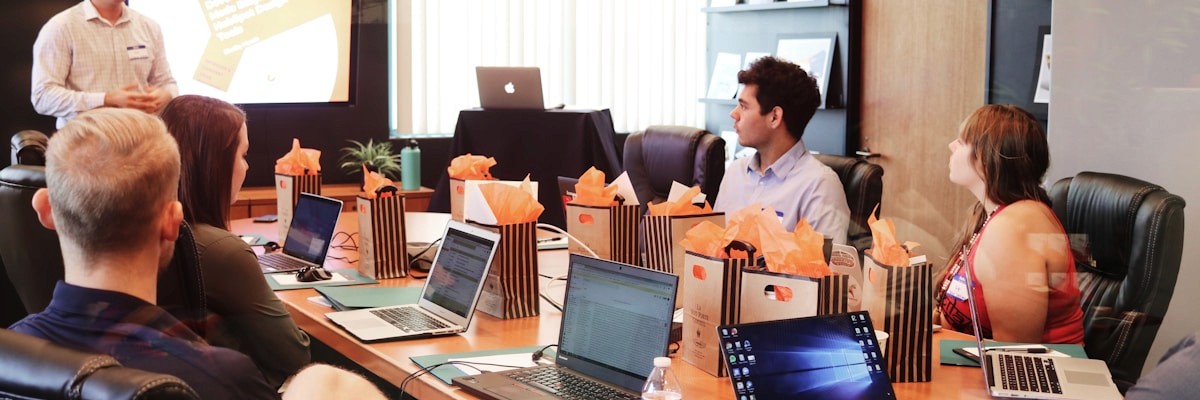
Trends Driving Corporate Giving Growth
Employee-driven giving: Corporations now mobilize their workforce to donate and volunteer, exemplified by Microsoft's $2 billion employee donations and Boeing's $60 million+ grantmaking efforts.
Result-oriented funding: Donors like JPMorgan Chase require nonprofits to demonstrate measurable impact, moving philanthropy toward strategic investments.
Diverse giving types: Beyond cash grants, more companies offer in-kind donations like technology and services to maximize nonprofit resources.
Understanding these trends is key because knowing corporate donors' focus areas and preferred giving models lets your nonprofit tailor outreach efforts, increasing chances of funding success.
Key Forms of Corporate Giving to Know
Cash grants: The backbone of corporate philanthropy, ranging from $5,000 to $200,000+ depending on the company.
In-kind donations: Free goods or services such as software from tech companies or office supplies from manufacturers.
Matching gifts: Employees' donations are matched dollar for dollar, sometimes up to $10,000 per individual.
Volunteer grants: Companies award nonprofits based on employee volunteer hours, multiplying impact and community reach.

Picture this: a typical mid-sized nonprofit leverages a combination of these giving types—securing a $50,000 grant, activating employee volunteers through Boeing's program, and receiving a software donation from Microsoft, multiplying resources without extra fundraising.
Why This Matters for Your Fundraising Strategy
Align your programs with donor priorities like financial health or environmental sustainability, featured by Wells Fargo and Bank of America.
Keep timing and application nuances in mind—some funders operate on invitation-only cycles, others with rolling deadlines.
Incorporate employee engagement offers in proposals to demonstrate your nonprofit's potential for deep collaboration.
"Corporate philanthropy isn't just writing checks anymore; it's about building active, measurable partnerships that multiply impact."
Knowing these essentials helps you strategically position your nonprofit for success in a competitive 2026 fundraising landscape.
Keep these priorities front and center—and you'll be ready to tap into the growing reservoir of corporate support shaping nonprofit futures today.
Top Corporate Donors in 2026: Profiles and Strategic Insights

Identifying the right corporate partners starts with knowing their philanthropic priorities, grant ranges, and application specifics. Here's a focused look at the leading donors fueling nonprofit growth this year.
Wells Fargo Foundation
Wells Fargo targets four core areas:
Housing affordability
Small business support
Financial health
Environmental sustainability
Grants range from $10,000 to $100,000 and are open to 501(c)(3) nonprofits located in Wells Fargo communities. Applications submit via an online portal quarterly, making timing and regional fit crucial.
Picture this: your community development program gains funding just as local housing needs spike—thanks to Wells Fargo's timely grants focused on sustainable solutions.
Bank of America Charitable Foundation
Bank of America funds:
Economic mobility
Health initiatives
Arts & culture programs
Environmental projects
They use a mix of invitation-only and open Requests for Proposal (RFPs), awarding grants between $5,000 and $150,000 to nonprofits across the U.S.
This dual approach means nonprofits must stay proactive—monitoring open rounds while nurturing relationships for invitations.
JPMorgan Chase Foundation
JPMorgan Chase zeroes in on:
Financial and workforce development
Small business support
Their grantmaking is outcomes-driven, demanding nonprofits demonstrate measurable impact. Engagement starts with submitting a letter of inquiry.
If your nonprofit can clearly quantify workforce impact or financial empowerment outcomes, JPMorgan Chase offers grants from $25,000 to $200,000, making it a strategic fit for programs with strong data tracking.

Boeing's Corporate Giving and Employee Engagement Programs
Boeing commits over $60 million annually to global charitable causes, amplified by its Employees Community Fund (ECF)—one of the largest employee-grantmaking bodies worldwide.
Key giving mechanisms include:
Matching gifts up to $10,000 per employee
Volunteer grants paying nonprofits $100 for every 10 hours volunteered
Imagine mobilizing Boeing's employee base—where each volunteer hour translates directly to additional funding for your cause.
General Electric (GE) and Microsoft: Employee-Driven Giving and Match Programs
Both General Electric (GE) and Microsoft power philanthropy with strong matching gifts and volunteer grant programs.
Microsoft employees have donated over $2 billion collectively since inception.
GE fosters community service through volunteerism and matching.
These programs demonstrate how employee engagement can multiply corporate giving, encouraging nonprofits to build connections with company staff as much as with grant officers.
Principal Financial Group: Volunteerism as a Giving Strategy
Principal Financial Group has surpassed 157,000 volunteer hours globally, marking a 50% increase from the previous year.
Their model highlights:
Volunteerism integrated with grantmaking
High employee participation fueling community impact
For nonprofits, this means cultivating volunteer opportunities within corporate partners can lead to deepened relationships and expanded resources beyond cash grants.

To stand out, align your proposals with the specific focus areas and funding models of these corporate giants. Being precise on eligibility, deadlines, and engagement options can open doors to transformative donations and partnerships.
"Corporate giving isn't just about money—it's about building meaningful connections that amplify your mission's reach."
Ready to tap into these opportunities? Start by mapping your programs to these priorities and planning for timely, tailored applications.
Navigating Eligibility and Application Processes for Corporate Donations

Understanding common eligibility requirements is your first step to accessing corporate donations in 2026. Most major donors require nonprofits to:
Hold valid 501(c)(3) status
Align with the company's geographic focus (local, regional, national)
Demonstrate program priorities that match their philanthropic goals
For example, Wells Fargo Foundation prioritizes nonprofits within its operational communities, while Bank of America accepts applications nationwide.
Typical Application Workflows to Know
Corporate giving programs generally follow structured application paths:
Online portals where you submit full proposals or LOIs (letters of inquiry)
Letters of inquiry as a first glance — JPMorgan Chase Foundation demands measurable outcomes here
Formal proposals following invitations or successful LOIs
Fixed deadlines and quarterly review cycles like Wells Fargo's quarterly grant deadlines
Recognizing these phases helps you avoid missed deadlines and unprepared proposals.
Open vs. Invitation-Only Funding Streams
Not all corporate donations are up for grabs. Some use open Requests for Proposals (RFPs), welcoming any qualified nonprofit. Others prefer invitation-only models targeting longtime partners or nonprofits with proven impact.
Bank of America Charitable Foundation runs both open and invitation-only rounds.
Boeing's Employees Community Fund is more selective, emphasizing employee nominations.
This distinction shapes how you engage and when to pitch your case.
Boost Your Competitiveness
Based on real-world insights from nonprofits securing funds in 2026:
Align your mission tightly with the company's priority areas—superficial fit won't cut it anymore.
Use data to show measurable impact, especially for outcomes-focused donors like JPMorgan Chase.
Start with a concise letter of inquiry to establish credibility before submitting full proposals.
When you think of your application, picture it as creating a tailored, compelling story—one that clearly shows why your nonprofit deserves attention and funding.
Corporate giving processes can feel labyrinthine, but knowing eligibility and funding cycles upfront puts you ahead—saving time and boosting your chance of success.
"Matching your nonprofit's mission to corporate priorities is the fastest way to unlock funding doors."
"Letters of inquiry aren't just formalities; they're your nonprofit's foot in the door."
"Mastering deadlines and donor preferences turns uncertainty into opportunity."
Focus on these essentials as you map your outreach and application strategy for 2026 corporate donations.
Corporate Donation Programs Beyond Cash: Free Goods and Services

In-kind donations are an often overlooked yet powerful resource for nonprofits seeking to stretch budgets and boost program capacity. Beyond traditional cash grants, many top companies in 2026 offer free goods and services that can transform your operational efficiency and service delivery.
What In-Kind Donations Look Like
Corporate in-kind contributions typically include:
Technology: laptops, tablets, and software licenses
Office Supplies: furniture, printers, and stationery
Professional Services: marketing support, legal advice, and IT consulting
Equipment: manufacturing tools, scientific instruments, and safety gear
These non-monetary gifts often provide nonprofits with access to resources they could not otherwise afford, reducing overhead and enabling program scale-up. For instance, Microsoft's donation of software licenses can save nonprofits thousands annually, freeing more funds for mission-critical work.
Eligibility and Application Tips
To access these resources, nonprofits usually must:
Hold valid 501(c)(3) status
Align their mission with the donor's giving focus
Submit detailed requests through company-specific portals or programs
Knowing each corporation's application timeline and criteria is crucial. Some programs run year-round; others require submission by specific quarterly deadlines. For example, Wells Fargo's in-kind giving follows a quarterly application cycle, so mark your calendar to avoid missing out.
Maximize Your Chances
Successful nonprofits:
Clearly describe how donated goods will accelerate impact
Include specific goals supported by the in-kind resources
Demonstrate capacity to manage and utilize donations effectively
Picture this: your nonprofit upgrades outdated computers thanks to a corporate partner, instantly improving staff productivity and service user experiences. This kind of practical support elevates your organization beyond funding alone.
For a deeper dive, check out our detailed guide on Corporate Donation Programs with Free Goods for Nonprofits.
In-kind donations are an essential dimension of corporate philanthropy in 2026—know where to look and how to act, and you'll unlock resources that drive mission success without tapping into your cash reserves.
Sector-Based Corporate Giving: Targeting Your Outreach for Maximum Success

Understanding which industry sectors actively support nonprofits sharpens your fundraising strategy and boosts your chances of landing corporate donations.
Major Sectors Driving Corporate Donations in 2026
Four key industries dominate corporate philanthropy right now:
Banking and finance: Prioritize economic mobility, workforce development, and community revitalization. Think Wells Fargo and JPMorgan Chase investing millions annually in financial health and small business growth.
Technology: Focus on education, digital access, and innovation. Microsoft's $2 billion employee donation footprint highlights tech's high-impact giving.
Manufacturing: Emphasize workforce skills, sustainability, and local community support, with Boeing's $60 million global giving as a prime example.
Retail: Often channel resources toward hunger relief, youth programs, and environmental stewardship.
Knowing these sector priorities lets you tailor your nonprofit's pitch to resonate where it matters most.
How Sector Priorities Shape Giving Styles
Each sector's giving style reflects its business goals and culture:
Banks tend to prefer measurable impact through grants that foster economic stability.
Tech companies leverage employee-driven programs, including matching gifts and volunteer grants, to multiply giving.
Manufacturing firms like Boeing mix traditional grants with active employee engagement, amplifying community involvement.
Retailers often offer a blend of cash, in-kind donations, and cause marketing partnerships.
Aligning your nonprofit's programs with these unique giving methods makes your proposal more attractive and credible.
Aligning Your Program for Maximum Funding Potential
Here's how to match your outreach to sector trends:
Research corporate priorities: Review corporate giving reports and websites to understand funding focus.
Highlight measurable outcomes: Emphasize how your work drives tangible community or economic improvements.
Incorporate employee engagement: Propose volunteer opportunities and matching gift campaigns to tap into corporate culture.
Leverage local connections: Many companies prefer supporting nonprofits within their operational footprint.
For example, a youth-serving nonprofit focusing on financial literacy might prioritize approaches aligned with banking sector goals.
Real-World Example
Wells Fargo's $10,000 to $100,000 grants focus on housing affordability and financial health—perfect for nonprofits improving neighborhood stability. Tailoring proposals to this focus increases chances of success dramatically.
Quick Takeaways for Your Team
Know your sector: Match your nonprofit's mission to industry-specific priorities.
Leverage employee engagement: Propose programs that involve corporate employees for greater impact.
Focus on measurable outcomes: Demonstrate clear, data-backed results in your applications.
Picture this: your proposal stands out in a pile because it speaks directly to a company's strategic giving goals, backed by data and aligned volunteer opportunities. That's how you turn corporate interest into real dollars and hands-on support.
For deeper insights, check out our sub-page on "Top Industry Sectors Supporting Nonprofit Donations in 2026" to sharpen your sector-based outreach even further.
Tailoring your outreach with this sector-savvy approach makes your corporate engagement smarter, more strategic, and ultimately more successful.
Leveraging Employee Engagement Programs to Maximize Corporate Support

Employee-driven giving models have become a powerful lever for nonprofits aiming to boost funding and volunteerism. The main models to watch are:
Matching gifts: Companies match employee donations, often dollar for dollar.
Volunteer grants: Employers give cash grants based on volunteer hours.
Employee-led committees: Staff manage grantmaking decisions to channel funds to nonprofits.
These programs create a direct pipeline between corporate employees and nonprofits, amplifying both financial and volunteer resources.
Unlocking Fundraising and Volunteer Opportunities
To tap into this potential, nonprofits should:
Encourage supporters to check employer match policies and provide simple guides on how to submit matching gift requests.
Promote volunteer grant programs by helping volunteers track and report hours.
Engage corporate employees through community events and collaborative projects to deepen ties and visibility.
This proactive approach transforms individual employee enthusiasm into tangible support for your organization.
Corporate Examples Driving Real Impact
Leading companies showcase the scale and sophistication of employee engagement strategies:
Boeing's Employees Community Fund donates over $60 million globally and matches employee gifts up to $10,000. They award volunteers $100 per 10 hours contributed.
Microsoft employees have donated more than $2 billion over time, with the company matching every dollar and rewarding volunteer hours with extra funding.
General Electric (GE) fosters a strong culture of volunteerism alongside their matching programs.
Principal Financial Group recently surpassed 157,000 volunteer hours, up 50% year-over-year, demonstrating how volunteerism fuels their corporate giving strategy.
Picture your nonprofit's impact doubling when just a handful of corporate donors activate their employees this way.
Impact Beyond Dollars: Building a Community of Support
Employee engagement programs do more than increase funding—they build a network of advocates and champions within targeted companies. Volunteers turn into ambassadors, and matching gifts create steady donation streams.
This dual boost in financial support and human capital gives nonprofits the flexibility to grow programs without scaling fundraising overhead.
Leveraging employee-driven giving isn't just smart—it's essential. Start by mapping out corporate partners with active match and volunteer grant programs, then bake these opportunities into your outreach and stewardship plans.
You'll see how activating employee engagement can turn one corporate connection into a multiplying effect of resources and goodwill for your nonprofit.
Actionable Strategies for Nonprofits Seeking Corporate Donations in 2026

Building meaningful relationships with corporate donors starts with strategic research and genuine engagement. Focus on understanding a company's philanthropic priorities, such as Wells Fargo's emphasis on housing affordability or JPMorgan Chase's focus on measurable workforce development outcomes.
Prioritize Relationship-Building Over Quick Wins
Identify the right corporate contacts—look beyond the grants team to include employee engagement leaders
Follow companies' giving cycles and set calendar reminders for key deadlines. For example, Wells Fargo accepts quarterly applications, so timing matters
Attend corporate-sponsored community events or volunteer opportunities to create face-to-face connections
Craft Proposals That Speak Their Language
A well-tailored proposal is your best foot forward. Frame your ask clearly around a company's focus areas and expected outcomes. Use data to show:
How your program aligns with their goals, such as Bank of America's economic mobility or environmental sustainability priorities
The tangible impact: numbers, stories, and anticipated results
Opportunities for employee engagement, like volunteer programs or matching gifts, which many donors prioritize (see Boeing's $60M+ grant program paired with volunteer hours rewards)
Master the Application Workflow
Most companies require:
An initial letter of inquiry (JPMorgan Chase example)
Full proposals or responses to RFPs (Bank of America's open and invitation-based models)
Clear demonstration of eligibility (501(c)(3) status, geographic focus)
Set up a tracking system and allocate lead time for internal reviews—hitting deadlines matters more than you think.
Leverage Volunteer and In-Kind Opportunities
Don't just ask for cash. Corporate donors increasingly value:
Volunteer grants, where hours served convert into dollars (e.g., Principal Financial Group's 157,000+ volunteer hours in 2026)
In-kind donations like technology or services that reduce operational costs
These options often foster deeper, ongoing partnerships beyond a one-time grant.
Remember: "Corporate giving is as much about authentic relationships as it is about funding. Build trust, align missions, and invite engagement beyond checks."
Picture this: A mid-sized nonprofit director syncing proposal timelines with corporate giving calendars while incorporating volunteer tracking to double the impact from a single donor.
For tactical next steps, explore our sub-page "Navigating Corporate Giving: Tips for Nonprofits in 2026" to streamline your approach and increase success rates.
Focus on relationship-building, tailored asks, and leveraging all forms of corporate support to create a sustainable funding pipeline in 2026.
Integrating Corporate Donations into Your Nonprofit's Growth and Impact Plan

Using corporate funding strategically can unlock sustainable growth for your programs while building long-term partnerships.
Start by balancing:
Unrestricted gifts, which provide operational flexibility
Restricted grants, which fund specific projects or outcomes
Each type plays a critical role—unrestricted funds keep the lights on, while restricted grants demonstrate clear impact.
Aligning Funding with Your Growth Goals
Corporate grants often come with reporting requirements tied to tangible results. Make measuring and communicating impact your priority by:
Setting clear, measurable goals before spending
Collecting data that ties outcomes directly to corporate priorities
Sharing impact stories that blend numbers with real-world change
For example, JPMorgan Chase Foundation focuses on measurable outcomes; nonprofits that provide clear evidence of success tend to win repeat funding.
Reporting and Engagement: Beyond the Grant Check
Timely, transparent reporting strengthens trust with corporate donors.
Keep these best practices in mind:
Submit reports on time and exceed required details to highlight your professionalism
Include stories or photos showing how employee volunteers or matching gifts magnify support
Offer opportunities for corporate employees to engage beyond giving—like site visits or volunteer events
Boeing's Employees Community Fund shows how employee engagement builds deeper relationships that go beyond just dollars.
Practical Tips to Maximize Corporate Support
Build corporate giving into your annual fundraising calendar to anticipate deadlines
Combine grant requests with volunteer and in-kind support asks to increase total value
Use data dashboards or impact summaries in follow-up communications to keep donors informed and excited
Picture this: a corporate partner not only funds your youth program but their employees also volunteer monthly—doubling the resources and community connection your nonprofit enjoys.
Taking a thoughtful approach to corporate donations turns single grants into ongoing partnerships that fuel your mission's growth and resilience.
When corporate donors see you as a reliable, impact-driven partner, funding become a bridge—not just a one-time boost.
Conclusion

Corporate giving in 2026 is no longer just about writing checks—it's about building strategic partnerships that multiply your nonprofit's impact through tailored funding, employee engagement, and in-kind support. By aligning your mission to corporate priorities and mastering the nuances of application processes, you unlock a powerful new resource for sustainable growth.
To propel your nonprofit forward this year, focus on these key actions:
Research and target corporate donors whose mission aligns with yours, emphasizing measurable outcomes and community impact.
Leverage employee engagement programs by encouraging matching gift participation and promoting volunteer grant opportunities.
Incorporate in-kind donations strategically to reduce costs and expand capacity without additional fundraising strain.
Develop and track clear metrics to satisfy outcome-focused grantmakers like JPMorgan Chase and Wells Fargo.
Stay organized around deadlines and application requirements, transforming complexity into competitive advantage.
Start today by mapping your programs to specific corporate giving priorities and setting reminders for key application windows. Reach out to potential partners early and build authentic, collaborative relationships—not just transactional requests. Empower your supporters to activate their own networks at companies with matching and volunteer grants.
Remember, corporate philanthropy fuels more than funds—it ignites a community of advocates and amplifies your mission's reach. When you approach corporate donors as partners invested in your success, every connection has the potential to multiply impact far beyond a single gift.
Your mission deserves more than luck—it demands strategy. Lean into these insights and watch your nonprofit's future brighten with new, dynamic corporate allies ready to join your cause.
Published:
Jan 22, 2026