Jan 22, 2026
undefined
min read

Key Takeaways
Exploring funding opportunities for NGOs in 2026 requires understanding key sectoral and geographic trends, along with practical strategies to diversify income and apply for effective grants. These insights will help you optimize your efforts and secure funds more successfully.
Focus on high-demand sectors such as health, environment, and education to attract donors' priority interest and increase your chances of obtaining funding.
Align your projects with donors' geographic focus, like water in Sub-Saharan Africa or human rights in conflict zones, to maximize eligibility and relevance.
Diversify your funding portfolio by combining grants, corporate partnerships, and individual donations to ensure steady cash flow and greater organizational resilience.
Use specialized directories such as the World Guide to Foundations and international funds to filter by sector, region, and specific criteria, improving search efficiency.
Customize every proposal by aligning it with the donor's exact priorities and terms, and include clear impact metrics to boost success rates by up to 40%.
Leverage targeted grants focused on conservation, community innovation, and security to cover different strategic areas that strengthen your mission and operations.
Implement digital tools to manage fundraising campaigns, monitor engagement metrics, and receive real-time alerts about new opportunities.
Stay updated with continuous market intelligence to anticipate shifts in donor priorities and flexibly adapt your funding strategy in a dynamic environment.
Apply these keys to get ahead in a competitive ecosystem and turn funding opportunities into tangible resources that drive your NGO's impact in 2026.
Introduction
Did you know that nearly 60% of NGOs face funding gaps each year, even when they have impactful projects ready to launch? That's a tough reality—especially as donor priorities evolve faster than ever.
If you're navigating the complex NGO funding landscape in 2026, understanding where the money is flowing—and why—can make all the difference. Whether you aim to diversify your revenue, align with trending sectors, or tap regional opportunities, the right insights will save time, boost success, and help scale your impact.
In this guide, you'll discover:
High-demand funding sectors like health, environment, and human rights
Geographic trends shaping donor focus across Africa, Asia, and beyond
Essential funding directories and resources tailored to your NGO's needs
Strategic breakdowns of major grant opportunities and how to fit your projects in
Practical tips for diversifying your funding mix and crafting standout proposals
How to stay agile with real-time monitoring and adapting to donor shifts
Why now? Because a diversified, data-driven approach isn't just smart—it's critical. Donors want measurable impact and regional alignment, and competition is fierce. Getting ahead means working smarter, not just harder.
Imagine your NGO weaving together a portfolio of grants, corporate partnerships, and digital campaigns, all tuned to evolving donor interests. That's the kind of funding flexibility that turns uncertainty into opportunity.
Next, we'll explore today's funding environment and where you can position your NGO for success in the months ahead. The path to smarter fundraising starts here.
Overview of NGO Funding Landscape in 2026

The global NGO funding environment in 2026 is shaped by shifting geopolitical dynamics and emerging social needs. Donors increasingly prioritize projects with measurable impact and alignment to sustainable development goals.
High-Demand Sectors Driving Fund Flow
Certain sectors attract the lion's share of grant money right now. These include:
Health: Pandemic recovery and healthcare infrastructure
Education: Digital learning and access for underserved populations
Environment: Climate action and conservation programs
Human Rights: Social justice and refugee support
Agriculture & Water: Food security and clean water initiatives
Security: Organizational resilience and infrastructure protection
Focusing on one or more of these sectors can improve your NGO's chances of landing funding.

Geographic Trends Affecting Grants
Donor priorities also shift geographically.
Sub-Saharan Africa sees growing investments in agriculture and water sanitation.
Southeast Asia attracts environment and health projects.
Conflict-affected zones draw security and human rights funding.
This geographic lens affects available grant volumes and eligibility requirements.
Why Diversification Matters More Than Ever
Relying heavily on a single funding source is riskier than ever. Funders change priorities or budgets with little notice—sometimes driven by global crises or economic slowdowns.
Diversification benefits include:
Steady cash flow buffering uncertainties
Access to complementary funding streams for innovation
Increased organizational resilience and independence
Picture this: an NGO weaving together grants, corporate partnerships, and individual donations to build a flexible funding "safety net." The result? Greater ability to scale impact and respond nimbly.
Quick Takeaways to Readily Use
Target funding sectors with growing donor interest, like environment and health.
Match your projects geographically to where donor focus is strongest.
Build a multi-channel fundraising approach to minimize volatility.
This overview reveals a rapidly evolving funding landscape. Staying alert to sector and regional trends—and actively diversifying—can keep your NGO ahead in 2026's competitive grant ecosystem.
"A diversified funding portfolio isn't just smart—it's essential to weather uncertainty."
"Aligning your NGO's work to geographic donor trends triples your chances of success."
"Funding shifts fast; think of your revenue mix as a dynamic, living system—not a fixed plan."
Major Funding Directories and Resources

World Guide to Foundations 2026
The World Guide to Foundations 2025 profiles over 40,000 foundations across 115 countries, making it one of the largest funding directories available.
This directory lets you filter by sector, region, and funding criteria, enabling you to quickly zero in on foundations that match your NGO's focus.
Key data points include:
Mission statements to understand a foundation's core interests
Financials revealing funding capacity and past grants
Key personnel contacts for networking and application follow-ups
To navigate effectively, combine filters to create a personalized shortlist rather than scanning broadly.
Picture this: you're seeking donors in environmental conservation in Sub-Saharan Africa—filter those categories first, then explore mission and financial data to target your top 10 funders.
"Use the directory like a matchmaking tool — it's about fit, not just funds."
International Organizations Funding Directory 2025
This directory catalogs major international organizations offering grants and partnerships, including their goals, regions of focus, and application procedures.
Understanding their organizational aims is crucial—your NGO's project must align with their priorities to stand out.
For example, an NGO working on clean water projects aligned with the UN's Sustainable Development Goals will find better success targeting agencies emphasizing water security.
Look out for:
Application deadlines and required documentation
Examples of successful past collaborations to learn from
A practical tip: research and tailor your proposal to reflect the exact language and objectives used by the funding body—it shows you've done your homework.
"Aligning your mission with funders' priorities is the shortcut to relevancy — don't guess, read their goals inside out."
Additional Key Resource Guides
Other valuable resources include:
Grants International Guide 2025: Covers public funding, loans, and innovation projects across many countries—great for NGOs exploring diverse finance options.
NGO Resource Guide by DHS: Focused on operational security and resilience, essential for NGOs in volatile environments.
Subscription platforms like fundsforNGOs help you stay updated on time-sensitive grants and emerging opportunities.
Imagine having a curated newsfeed that alerts you the moment a $10,000 innovation grant opens in your sector—these tools bring that vision closer.
"Your funding edge comes from staying ahead—subscribe, monitor, and adapt fast."
NGOs mastering these directories and tools gain a clear advantage in discovering and securing targeted grants, making their 2025 fundraising strategy smarter and more efficient.
Notable Grant Opportunities and Their Strategic Fit

Environmental and Conservation Grants
Rainforest Trust Grants focus on protecting tropical and subtropical ecosystems, targeting registered NGOs and indigenous groups authorized in project countries.
Typical awards hover around $10,000 for Feasibility Studies, with larger grants possible for well-developed proposals.
Here's the quick playbook for success:
Ensure your project aligns clearly with rainforest conservation goals.
Highlight ecological impact with measurable outcomes.
Submit before the March 2026, deadline to stay eligible.
Picture this: your NGO spearheading a reforestation project that safeguards endangered species while engaging local communities—a perfect match for Rainforest Trust's priorities.
"Align your conservation vision precisely with donor goals—timing can make or break your application."
Community Development and Innovation Grants
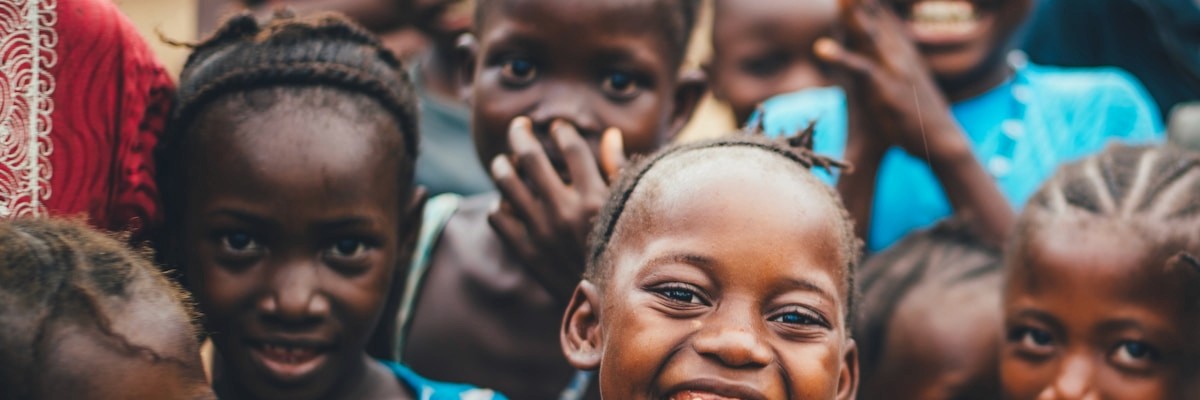
The NextWorldNow Community Investments Grants offer up to $10,000 to NGOs delivering innovative solutions across health, education, or economic development sectors.
To qualify, programs must:
Introduce novel approaches addressing urgent community needs
Demonstrate potential for scalable impact
Align with NextWorldNow's mission of empowering underserved populations
These grants are an ideal piece in a broader funding puzzle, complementing traditional funding with a focus on innovation and community empowerment.
Imagine pitching a tech-driven education program that boosts literacy via mobile apps—a strong contender here.
"Innovation-oriented grants reward your creativity but demand proof of concept and community relevance."
Security-Focused Funding Programs
FEMA's Nonprofit Security Grant Program (NSGP) helps NGOs enhance physical security measures against terrorism or extremist threats.
Eligibility requires:
Status as a registered 501(c)(3) nonprofit or tax-exempt organization
A clear risk assessment and security improvement plan
Key benefits include funding for surveillance systems, fencing, lighting, and staff training on emergency preparedness.
Integrating these grants into your organization's risk management strategy safeguards operations and staff safety—especially critical for NGOs in high-risk zones.
Fast fact: NSGP applications typically close in early spring, so planning ahead pays off.
"Security grants aren't just about fences—they're vital steps toward operational continuity in uncertain times."
Each grant opportunity serves a distinct strategic purpose—whether protecting vital ecosystems, pioneering community solutions, or securing organizational resilience.
By matching your NGO's programs thoughtfully to these offerings and respecting application windows, you're poised to unlock essential funding while advancing mission impact.
Crafting Effective Fundraising Strategies for 2026

Building a Diversified Funding Portfolio
Relying on just one funding source can leave your NGO vulnerable to sudden shortfalls.
Diversification is key—combine:
Grants from foundations and government programs
Corporate partnerships aligned with your mission
Individual donations through personalized outreach
Online fundraising campaigns for wider reach
For example, NGOs blending grants with digital donor campaigns saw a 35% increase in funding stability in 2024.
This approach balances risks and creates growth opportunities.
Grant Application Best Practices
Start by researching donor priorities thoroughly—what problems do they want to solve?
Customize each proposal so it:
Clearly addresses those priorities
Includes measurable impact metrics such as lives served or carbon reduced
Tells a compelling story showing why your project matters
Watch out for common traps like vague narratives or ignoring application guidelines. A focused proposal can improve success rates by up to 40%.

Engaging Corporate Partners and Individual Donors
Finding corporate partners who share your values is more than a checklist—it's about building genuine relationships.
Key strategies include:
Mapping corporate social responsibility (CSR) goals
Organizing joint events or campaigns
Segmenting your donor base for personalized communication
A memorable scenario: Picture hosting a virtual coffee chat with potential donors where you share real-time project updates—it aids trust and sparks long-term commitment.
Leveraging Digital and Online Fundraising Tools
Digital tools are essential to expand your donor base and simplify giving.
Use platforms like:
Crowdfunding sites (e.g., GoFundMe)
Email marketing software for targeted appeals
Social media analytics to measure campaign performance
Track key performance indicators (KPIs) such as donation conversion rates and engagement time to optimize your efforts.
Integrate these with offline efforts—like community events—to create a seamless donor experience.
Remember: A well-rounded fundraising strategy blends smart research, genuine relationships, and digital savvy to secure sustainable support in 2026 and beyond.
Regional and Sector-Specific Funding Insights

Funding Opportunities for Agriculture in Kenya
Kenya's agriculture sector is drawing increasing donor attention due to its impact on food security and economic growth.
Key trends include a focus on climate-smart farming, technology adoption, and smallholder support.
Common eligibility criteria funders look for are:
Registered NGOs with local partnerships
Projects demonstrating sustainability and scalability
Clear metrics on improving farmer livelihoods
To boost application success:
Use specialized resources like Kenya-specific grant databases
Tailor proposals to emphasize innovation and community empowerment
Picture this: your NGO helping farmers access drought-resistant seeds, backed by a $10,000 community grant—transformative and timely.
Education Project Funding in Kenya for 2025

Education remains a priority sector for many global and regional donors focused on literacy, digital learning, and gender equality.
Top funders support programs ranging from early childhood education to vocational training.
Applying successfully means:
Aligning proposals with measurable outcomes like improved exam pass rates
Highlighting innovative teaching tools or digital platforms
Demonstrating community impact beyond the classroom
"Funding education in Kenya is about linking learning goals to real-world progress," one donor notes.
Imagine securing a grant that equips 200 schools with tablets, sparking a digital learning revolution in rural areas.
Water and Sanitation Funding in Kenya

Major funders prioritize projects that improve access to clean water, hygiene education, and sustainable sanitation systems.
Typical funders include international agencies and foundations focused on public health.
Effective proposals feature:
Durable infrastructure designs adaptable to local environments
Strong community involvement in project planning and maintenance
Clear sustainability plans beyond initial funding
Design proposals that paint a vivid picture of children drinking clean water for the first time—funders love that.
NGO Funding Landscape in Rwanda for 2026
Rwanda's development goals shape its funding environment, emphasizing health, education, and infrastructure.
Top donors expect:
Alignment with national priorities like Vision 2050
Strong collaboration with government agencies and local organizations
Evidence of measurable social or economic impact
Examples include NGOs partnering on nationwide health campaigns funded by $25,000+ grants.
Funding Opportunities in Zimbabwe for 2024 and 2025
Zimbabwe's funding flows focus on sectors like agriculture, health, and governance amid complex political-economic conditions.
To navigate this:
Monitor shifting donor priorities influenced by economic recovery efforts
Emphasize adaptability and risk mitigation in proposals
Highlight partnerships that demonstrate local legitimacy
Practical tip: include context-aware risk assessments showing your NGO's resilience in uncertain environments.
NGOs tapping into these diverse regional funds should prioritize alignment with local needs and clear impact narratives. The key takeaway? Tailor your proposals to reflect context-specific challenges and demonstrate sustainable change to unlock greater funding success.
Staying Proactive: Monitoring and Adapting to Funding Trends
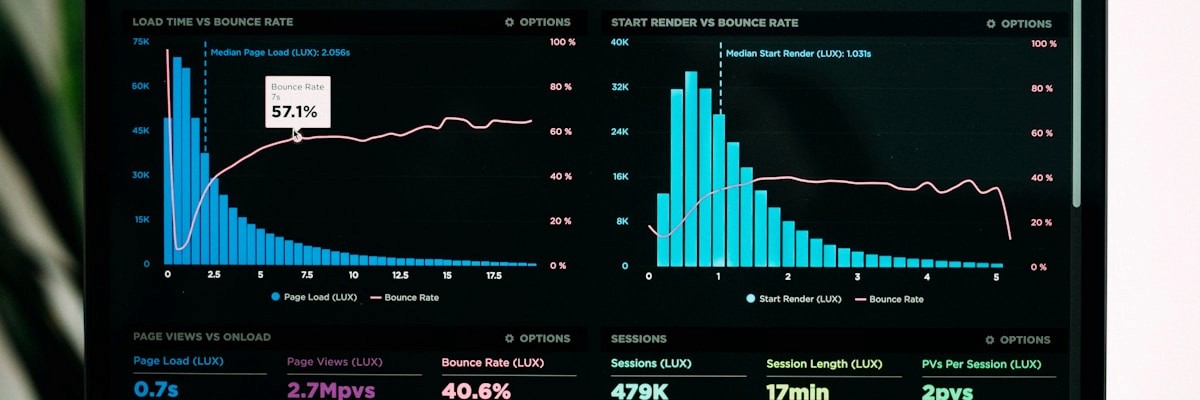
Being ahead means staying informed and agile as the NGO funding ecosystem evolves fast in 2026.
Keep Your Finger on the Pulse with Continuous Market Intelligence
Subscribing to newsletters from trusted sources like fundsforNGOs or the World Guide to Foundations offers timely alerts on new grants and shifting donor priorities.
Doing this helps you:
Spot opportunities before they become competitive
Understand emerging funding trends by sector and region
Adapt your applications to align with funders' evolving missions
Picture receiving an email alert announcing a growing focus on climate resilience grants—now you're ready to pivot your proposal accordingly.
Use Platforms Designed for Real-Time Updates and Alerts
Tools like fundsforNGOs and the International Organizations Funding Directory provide searchable databases and automated notifications.
Leverage these platforms to:
Filter by sector or geography to find tailored funding calls
Monitor deadlines so you never miss strategic applications
Track funder activity, gaining insight into their current focus areas
Imagine setting alerts to instantly get notified when a new water sanitation grant opens—saving hours of manual research.
Adapt Your Strategy Based on Donor Priorities and Crises
Donor focus can shift dramatically due to global events or policy changes. For example, health-related funding surged during the pandemic and may refocus post-2026.
NGOs that routinely review and adjust their fundraising plans:
Increase success by matching priorities closely
Incorporate emerging themes like AI-driven monitoring or local capacity building
Reduce risk from overreliance on any one source
Build a Learning Culture to Boost Fundraising Agility
Encouraging continuous team learning and experimentation with new fundraising tools helps NGOs remain competitive.
Tips include:
Regularly reviewing win/loss results of applications
Sharing case studies of innovative fundraising approaches internally
Training on AI and digital platforms for grant tracking and donor engagement
Think of it as sharpening your NGO's radar to detect and seize funding trends before peers catch on.
Quotable insights:
"Staying proactive in funding means turning alerts into action—spotting trends before they shape tomorrow's grants."
"Think of your funding strategy like a GPS: constant updates keep you on the fastest route to success."
"A learning culture isn't just nice to have—it's the key to fundraising agility in a fast-changing donor landscape."
By integrating smart monitoring tools and a flexible mindset, your NGO will navigate 2026's funding landscape with confidence and precision.
Conclusion

Navigating the NGO funding landscape in 2026 demands more than just knowing where the money is—it means strategically aligning your mission with evolving donor priorities and diversifying your funding streams to build resilience. By tapping into sector and geographic trends, using powerful funding directories, and embracing innovation in your proposals and fundraising, you position your NGO not just to survive but to scale meaningful impact.
Here are key actions to put into practice right now:
Focus your grant searches on high-demand sectors like health, environment, and education to improve match rates.
Leverage funding directories and alerts such as the World Guide to Foundations to find tailored opportunities efficiently.
Build a diversified funding portfolio combining grants, corporate partnerships, and digital donor campaigns to stabilize income.
Customize proposals using funders' language and demonstrate measurable impact clearly to stand out.
Stay proactive with continuous market intelligence—subscribe to newsletters and use platforms offering real-time updates.
Start today by identifying one priority sector and geographic focus for your next application—and create a shortlist of funders using a directory tool.
Then, map out how you'll blend multiple funding sources to reduce risk and increase opportunity.
Remember, funding is not static—your approach should be an evolving strategy, just like the causes you champion.
The most successful NGOs in 2026 will be those who treat funding as a dynamic ecosystem—building adaptability, leveraging technology, and aligning purpose with opportunity.
Your mission deserves nothing less than a funding strategy that's as innovative and resilient as the change you seek. Keep pushing boundaries, stay curious, and turn these insights into action—because the future of your impact starts with the funding decisions you make today.
Published:
Jan 22, 2026